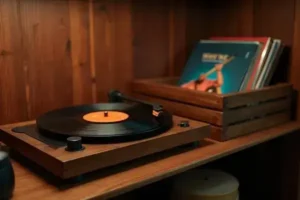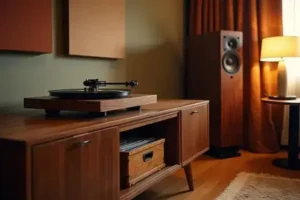
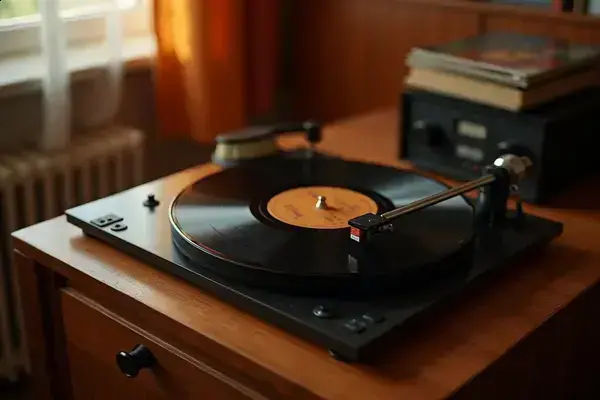
Picture this: you walk into a room lined with shelves full of colorful records, each one telling its own story — and you suddenly wish you could start your own vinyl journey, but you’re not even sure where to begin.
The truth is, diving into vinyl collecting can feel totally overwhelming at first. Choices on budgets, equipment, and which records are even worth having often scare people off before they ever drop the needle. Miss the right steps, and you might waste money or end up with regret in a dusty box.
By the time you finish this guide, you’ll actually know how to build the vinyl setup you’ve always imagined, discover your personal taste, and shop smart. Everything in this how to start vinyl collection guide is meant for regular people — and believe me, it’s easier (and more fun) than you think. Let’s spin into the good part…
Finding Your Musical Taste And Why It Matters
Ever felt lost in a record store — frozen between jazz, classic rock, and synth-pop, wondering where to even start? You’re not alone. Finding your musical taste isn’t just a catchy phrase — it’s your compass for everything that comes next in vinyl collecting. Here’s the thing: if you skip this step, you’ll end up with a shelf of albums you never actually spin.
Your musical taste is more than just the artists you know from playlists. It’s a blend of memories, moods, and that urge to play something on repeat after a rough day. Maybe your uncle played Beatles records every Sunday, or you remember the gritty thrill of your first punk concert. The key is digging into what genuinely moves you — and ignoring what social media says is “cool.”
- Ask yourself: What genre do you never get tired of?
- Which artists do you follow, no matter their latest direction?
- Is there an era or sound that just feels like home?
💡 Pro Tip: According to the Recording Industry Association of America (RIAA), starting your collection with records you have a personal connection to makes you twice as likely to listen consistently — and builds lasting enjoyment.
In practice: Picture this scenario — you start out buying what’s trending on vinyl forums. Your shelf looks Instagram-worthy, sure, but none of it gets played twice. Then one day, you stumble on an old Fleetwood Mac or Nas record and realize those are the sounds you keep coming back to. Suddenly, your collection feels personal. That’s the win.
| Approach | Pros | Cons |
|---|---|---|
| Following Trends | Discover new genres quickly | Collection feels impersonal |
| Personal Memory Picks | Deep emotional connection | May miss hidden gems |
| Curated by Experts | High-quality recommendations | Can be expensive, still not unique to you |
The truth is, developing your taste will save you money, time, and regret down the road. What actually works might surprise you…
Understanding Essential Vinyl Equipment And Setup
So you know what you want to listen to — but how do you actually hear it the way it’s meant to sound? That all starts with your equipment. The truth is: if you don’t get the essentials right, all those great records could end up sounding flat or even get damaged. But there’s no need to drop thousands just to get started.
- Turntable: The heart of the setup. Look for models with adjustable tracking force and replaceable cartridges for best longevity and sound control.
- Cartridge & Stylus: These tiny components make a massive difference. Entry-level moving magnet (MM) cartridges deliver balanced sound and easy upgrades later.
- Preamp: Many turntables need a phono preamp. It boosts the tiny signal from your cartridge so speakers can actually play it out loud.
- Amplifier/Receiver: Amplifies your signal, letting you control volume and tone. Some modern speakers include this feature — check before you buy.
- Speakers: Powered (active) speakers make life easier for beginners. Passive speakers give more upgrade flexibility but require a separate amp.
💡 Pro Tip: The Audio Engineering Society recommends placing your speakers at ear height and about 6 to 8 feet apart for the best stereo experience. Surprisingly, room placement changes sound quality more than expensive gear!
Picture this scenario: You pick up a well-reviewed turntable and some old bookshelf speakers from your local thrift store. Hooking everything up seems straightforward — until you realize the sound is faint and tinny. A quick check online tells you you’re missing a preamp. Small details like this make all the difference between frustration and smooth listening.
| Equipment | Average Cost | Best For |
|---|---|---|
| Entry Turntable (Audio-Technica AT-LP60X) | $120–$150 | Beginners, all-in-one simplicity |
| Midrange Cartridge (Ortofon 2M Red) | $90–$110 | Improved detail, easy swap |
| Powered Speakers (Edifier R1280T) | $100–$150 | No separate amp needed |
The Recording Academy also highlights regular stylus cleaning and dust cover usage as simple habits to protect your investment and keep your records sounding their best. And this is exactly where most people make the most common mistake…
Where To Buy Records Without Breaking The Bank
Let’s cut to the chase — hunting for affordable vinyl can feel like gaming the system. Good news: you don’t have to overspend or sacrifice quality for price. Curious where to start looking?
- Local Record Stores: Visit on new release days or sale weekends. Many shops have bargain bins and special loyalty discounts if you ask the staff.
- Online Marketplaces: eBay and Discogs are goldmines for deals. Use filters to spot lower-priced copies with honest seller ratings — always check shipping fees.
- Thrift Stores & Flea Markets: Never underestimate local Goodwills or estate sales. Inventory changes daily, and there are hidden gems if you dig. Bring a portable record checker if you can.
- Record Fairs & Community Swaps: Events hosted by the Vinyl Record Dealers Association often feature bulk discounts and rare finds. Busy tables usually mean better prices.
- Big Retail Chains’ Sales: Target, Walmart, and large online retailers occasionally clear out overstocks at huge discounts during seasonal sales.
- Required items: patience, basic grading knowledge, phone for research, small flashlight (for checking record condition).
💡 Pro Tip: According to the Vinyl Alliance, patience and persistence pay off — keep a running wish list so you don’t impulse-buy overpriced records you’ll regret later.
Picture this scenario: You walk into a local thrift shop with $10 in your pocket, thumb through endless stacks, and—right at the back—find a dusty gem you’ve wanted for years. Five bucks later, you’re home listening and it sounds incredible. Start small and build up skill — that’s the collector’s secret.
| Source | Pros | Cons |
|---|---|---|
| Local Record Store | Expert advice, easy browsing | Higher average prices |
| Discogs/eBay | Rare finds, global selection | Shipping cost, condition risk |
| Thrift/Flea Market | Lowest prices, surprise steals | Inconsistent quality, time-intensive |
What actually works might surprise you…
How To Grade And Care For Your Vinyl Records
Ever bought a record online and received something more crackle than music? Grading and caring for your vinyl isn’t just about resale value — it’s about preserving every subtle note and drum hit you love. Here’s the thing: most new collectors don’t know what those little surface marks mean (or how a fingerprint can tank sound quality). Let’s make sure you do.
Step-by-Step: Grading & Basic Care
- Examine in Natural Light: Hold the vinyl at an angle — look for scratches, scuffs, and warping. Bright daylight reveals flaws you’ll miss indoors.
- Check Labels & Sleeves: Inspect for stains, tears, fading, or writing, since these affect the overall grade and collector appeal.
- Play-Test (If Possible): Listen for persistent pops, skips, or surface noise. Even clean-looking records can have groove wear.
- Assign a Grade: Use the Goldmine Standard — terms like Mint (M), Near Mint (NM), Very Good Plus (VG+), Very Good (VG), and Good/Good Plus (G/G+). Be honest: overgrading helps no one.
- Routine Cleaning: Use a carbon fiber brush before every play to remove dust. Deep clean new finds with record-safe solutions and a microfiber cloth or record washer.
- Required: carbon fiber brush, record cleaning solution, anti-static inner sleeves, microfiber cloth, daylight or bright lamp for inspection.
⚠️ Important Warning: According to the Vinyl Alliance and the Library of Congress, tap water or household cleaners can permanently damage record grooves and labels — always use products designed for vinyl care.
In practice: You pull an old favorite from a thrift haul, give it a quick once-over, and spot faint haze. A gentle swipe with a dedicated brush makes it sparkle — and playback is flawless. Regular care doesn’t take long, but it keeps your entire collection in premium shape for years.
| Grade | Audio Quality | Collector Appeal |
|---|---|---|
| Mint/Near Mint (M/NM) | Virtually silent, pristine | Highest |
| Very Good Plus (VG+) | Minor noise on intro/outro | Great everyday value |
| Very Good (VG) | Light noise, visible wear | Budget-friendly backups |
And this is exactly where most people make the most common mistake…
Building A Collection You’ll Actually Listen To
What’s the point of a record collection if it just sits untouched, gathering dust? The real magic happens when you curate a selection that invites you to drop the needle again and again. Here’s the thing: it’s all too easy to get swept up by hype, nostalgia, or even bargain bin “deals” you’ll never listen to. How do you build a vinyl library that sparks joy every single week?
- Set Intentional Themes: Maybe you love moody jazz on rainy nights, or 90s hip-hop to power through chores. Curate around moods, seasons, or even memories — not just random genres.
- Rotate Your Favorites: Keep a crate or shelf for the 10 albums you actually play monthly. Refresh it as your tastes shift over time.
- Track Play Stats: Use a simple notebook or record collector app (like Discogs, developed by Discogs, Inc.) to log spins and spot neglected gems. Go analog or digital — whatever feels natural.
- Quality over Quantity: One superb pressing you love beats twenty mediocre albums you’ll never finish.
- Seek New Sounds: Actively discover — swap with friends, join listening clubs, or tune in to indie radio for genres you haven’t explored.
💡 Pro Tip: According to the Vinyl Alliance, collectors who routinely revisit and reorganize their active listening pile are more satisfied and less likely to regret purchases. Physical curation increases emotional connection versus digital playlists alone.
In practice: Picture this scenario — You sit down after a long week, flip through a tiny collection of twenty albums, but every single one hits the spot. There’s that rare Japanese jazz reissue, the indie album from your last road trip, and a family heirloom Sinatra pressed in mono. No decision fatigue, no wasted space — just pure listening pleasure.
| Curation Method | Best For | Potential Downside |
|---|---|---|
| Mood/Theme Playlists | Listeners feeling seasonal or emotional shifts | May overlook genre variety |
| Discogs/App Cataloging | Collectors who appreciate statistics | Can become time-consuming |
| Monthly Rotation Shelf | Those craving regular refresh | Requires active upkeep |
Once this is in place, the rest of the routine falls into place naturally.
Your Vinyl Journey Starts Here
If you take just one thing from this how to start vinyl collection guide, let it be: your collection should reflect what you love, not what others say you should own. Finding your musical taste, setting up the right gear, and learning how to buy and care for records are the building blocks. Start there, and you’ll always want to keep listening.
Before now, starting a vinyl collection probably felt confusing and intimidating. Now, you know how to pick records that matter to you, avoid budget mistakes, and keep your albums in great shape. You’re not just gathering stuff — you’re curating music that actually fits your real life.
Which album is at the very top of your vinyl wish list? Share in the comments — can’t wait to see what everyone’s chasing next!

Miles Aaron Sutton is a vinyl record enthusiast and turntable collector dedicated to helping music lovers set up, maintain, and grow their vinyl collections. With years of hands-on experience building home listening setups and hunting for records, Miles built Vsomi to be the honest, practical vinyl resource he always wished existed when he was starting out.