
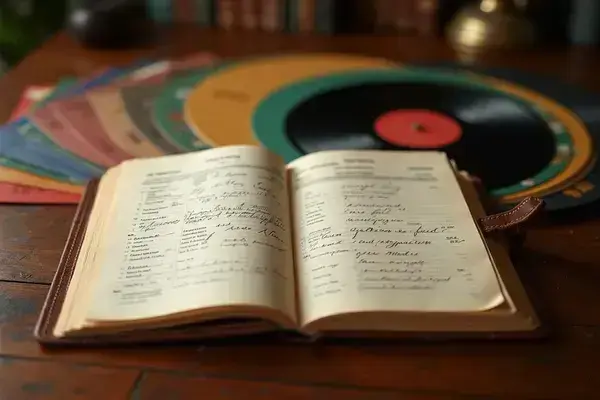
You know that moment when you’re hunting for your favorite album—maybe The Rolling Stones or that obscure indie pressing—and you can’t remember if you shelved it last spring or loaned it to a friend? Frustrating, right? If your vinyl collection’s growing, the chaos tends to sneak up faster than expected.
When your setup isn’t organized, you’re not just losing time—you’re missing out on rediscovering hidden gems and enjoying stress-free listening. Stacks blend together, double-buys happen, and that one rare LP seems to vanish in thin air. Trust me, it all adds up to headaches you don’t really need.
By the end of this guide, you’ll have the tools (including a vinyl journal template printable) to finally bring order and joy to your growing collection. Ready to find records with a smile—and never lose a favorite again? Let’s get started.
Why Tracking Your Vinyl Collection Matters
Ever tried to remember if you already own a rare pressing of a Bowie album—only to find out you bought a duplicate at the next record fair? That’s the quiet frustration of so many collectors. Tracking what you have saves you money, time, and a whole lot of shelf anxiety.
But it’s not just about avoiding double purchases. When your collection grows beyond a dozen records, it’s easy to lose sight of what you’ve actually invested in. The truth is, every LP on your shelf tells a piece of your story—your taste, your discoveries, your moments—and if you don’t keep a record, that story gets muddy fast.
💡 Pro Tip: According to Discogs, even seasoned vinyl collectors discover hidden gems within their own stacks once they start systematically logging every record—sometimes their most valuable finds were nearly forgotten behind a row of ‘essentials.’
Picture this scenario: You’re deep in a conversation with friends and someone brings up a specific jazz label. Suddenly, you can’t recall whether that limited-run Blue Note release is nestled in your collection or if it’s still on your wish list. If you’re tracking everything—even just basic details like artist, album name, release year, pressing variant—you’ll know in seconds.
- Know your worth: Accurate logging helps you estimate the total value of your collection, which is also vital for insurance—for larger libraries especially. Both the Vinyl Alliance and the Smithsonian’s “Vinyl: The Sound and Culture of Records” project recommend detailed inventorying for serious collectors.
- Spot trends and gaps: A good tracking system shows you what genres or eras you gravitate toward—and where your next smart investment might be.
- Streamline trades and selling: When someone asks what you’ve got to offer or requests a specific catalog number, you’re never left guessing.
| Key Benefit | What It Solves | Collector Example |
|---|---|---|
| Eliminate Duplicates | Prevents accidental double buying | Bought the same Beatles record twice before tracking |
| Track Condition & Value | Makes reselling or trading easier | Logged pressing & grade, got a better trade |
| Memory Boost | Remembers when, where, & why you bought | Found ticket stub & story page in logged details |
And this is exactly where most people make the most common mistake: waiting until the collection gets totally out of hand before doing anything about it…
Choosing The Perfect Journal Template For Your Needs
Think choosing a vinyl journal template is as simple as printing the first option you find? Not quite. Picking the right layout can actually change how much you enjoy tracking your records — and how easy it is to update over time.
There’s a dizzying range out there: minimal tables, expansive forms, creative layouts that leave room for stickers and personal notes. So how do you know what fits your collection style?
| Template Style | Best For | Potential Drawbacks |
|---|---|---|
| Grid/Table | Large collections, efficiency-focused collectors | Feels impersonal, less space for details |
| Full-Page Form | Story-driven collectors, those valuing extra notes | Bulky, uses more paper |
| Creative/Decorative | Artistic personalities, visual memory users | Sometimes too busy for fast lookups |
In practice: imagine you’re a jazz devotee with over 500 pressings, sourced from different countries and decades. A spreadsheet-style grid will let you fly through data entry, but you might quickly outgrow it if you start collecting for personal stories — like that copy of “Kind of Blue” passed down from your uncle, complete with a ticket stub from the ‘60s. For that, a template with plenty of open space and free-form notes is key.
- Keep practicality front and center: Templates with simple checkboxes and columns (artist, album, year, condition, value) are a staple for insurance documentation — a point highlighted by the Vinyl Alliance for safeguarding collections.
- Mix and match: Some collectors use a main grid for the basics, then staple or paste a lined add-on for special stories, signatures, or artwork. Hybrid templates aren’t just “OK” — they’re a real solution for collections that grow in every direction.
- Don’t forget scalability: If your record stack is likely to double, pick a template that’ll be easy to duplicate or expand, so you don’t get forced into switching formats down the road.
💡 Pro Tip: Print a few template pages before committing. Fill them out with sample entries — you’ll spot pain points and favorites almost immediately. Data from the Smithsonian’s vinyl archiving team shows that user testing templates up front saves hours in the long run.
What actually works might surprise you — because the next step transforms even the simplest template into a tool you’ll actually love using…
Step-By-Step Guide To Logging Each Record
So you’ve got your template ready—now, how do you actually use it to document every last record? The process is easier than you might expect, but details matter to fully unlock the value of collection tracking.
- Prerequisites: Before starting, gather your entire collection in one spot, have your printable journal template and a pen (or pencil) at hand, and—if possible—a soft cloth for handling records safely.
- Sort your records: Decide on an order first—alphabetical, by genre, or release year. Consistency makes everything easier when adding new acquisitions later.
- Record the essentials: For each LP, fill in fields like Artist, Album Title, Label, Release Year, and Format (stereo, mono, picture disc, etc.). This creates the backbone for insurance or future appraisals.
- Catalog pressing details: Include matrix/runout numbers, catalog numbers, and pressing country. For rare records, this data can make all the difference when selling or trading.
- Log the condition: Note the grading for both vinyl and sleeve—using categories like Mint (M), Near Mint (NM), Very Good Plus (VG+), etc., following guidelines from the Goldmine Standard or Discogs community best practices.
- Add context and extras: Write when & where you got it, price paid, even memories tied to certain albums. Small stories turn a spreadsheet into a personal archive you’ll actually want to revisit.
- Double-check as you go: Don’t rush—mistakes here ripple down the line. Even Smithsonian archivists recommend reviewing each entry for accuracy before moving on.
💡 Pro Tip: Snap a quick photo of unique labels or autographs and attach the printout to your journal entry. Visual documentation preserves authenticity and helps with future valuations, according to the Vinyl Alliance.
Picture this scenario: You’re halfway through your log and stumble on a rare promo copy, still in its original shrink. Detailing the catalog number and provenance now might mean a higher appraisal if you ever decide to insure, trade, or sell. That’s the real magic of logging—it’s not busywork, it’s investment protection.
But there’s one detail even the most meticulous trackers sometimes miss…
Creative Ways To Personalize Your Vinyl Tracker
Why settle for a vinyl tracker that feels as bland as a tax form? The whole point is to celebrate your story, not just record data. That’s where creative tweaks turn a generic template into something you’ll actually love flipping through years from now.
- Add visual cues: Colored stickers, genre-coded washi tape, or even custom stamps make each entry pop and turn a dense list into a scrapbook of your current mood and style.
- Mix artifacts and memory: Tape in concert ticket stubs, a snapped Polaroid from a crate-digging trip, or even a pressed flower from that legendary outdoor show. Suddenly your tracker’s more than inventory—it’s a time capsule.
- Design your own rating system: Use star ratings (hand-drawn or sticker) to quickly spot your favorites, or jot little icons to note records for special occasions—like rainy Sundays or party starters.
💡 Pro Tip: According to the Grammy Museum’s exhibit on music memorabilia, personal annotations and ephemera-style keepsakes dramatically increase a collection’s emotional and even appraisal value over the years—especially for future gifting or estate needs.
Picture this scenario: You’re flipping through your tracker a decade from now with a friend, and you stumble on your entry for that White Stripes live bootleg. Next to the basic info, a crumpled ticket stub and goofy backstage Polaroid are pasted in. Instead of blank lines, the page tells the whole story—and reminds you why you started collecting in the first place.
| Personalization | How To Use | Memory Impact |
|---|---|---|
| Genre Stickers | Tag each entry by color | Quick at-a-glance sorting |
| Photos/Polaroids | Paste into margin or notes | Reminds you of the purchase story |
| Handwritten Stories | Add anecdotes or mini-reviews | Makes your tracker truly one-of-a-kind |
And this is exactly where most people make the most common mistake: being afraid to “mess up” the page, instead of letting their personality shine right through…
Download Free Printable Vinyl Collection Templates
You don’t need fancy software to get your collection in order—sometimes all you want is a high-quality, printable vinyl journal template you can touch, flip, and customize. Free printables make the process affordable and quick, especially if you’re just starting out or want to test layouts before going all-in with a luxury notebook.
- What’s included: The best printable vinyl tracker templates offer enough structure for tracking (fields for artist, title, year, catalog number, pressing info, condition, value, acquisition notes, and more) while still leaving space for personal notes or memorabilia.
- How to use: Download the template, print as many pages as your collection requires, and insert them into a binder or folder. If you’re serious about longevity, choose acid-free paper for archiving—recommendation from the Library of Congress for music documentation longevity.
- Update frequency: Add new entries every time you buy, trade, or sell a record, or schedule a monthly update deadline. Keep the binder somewhere you’ll actually use it—next to your stereo is ideal.
⚠️ Important Warning: Never leave your collection summary lying around in a public space. Collectors with rare or valuable LPs should consider keeping a digital backup in a secure location or even a locked cabinet for peace of mind.
In practice: you print out twenty pages, slip them into sleeves, and organize your entire jazz section in one rainy afternoon. Later, you add a photo to your favorite entry, stick on a few genre stickers, and jot down a memory about the hunt. You’ll look back and appreciate the details—especially if you ever want to insure, trade, or sell.
| Template Feature | Benefit | Customization Idea |
|---|---|---|
| Record Details Grid | Quick reference for large collections | Fill columns with colored pencils by genre |
| Notes Section | Preserve purchase stories | Write song rankings or personal reviews |
| Open Margin Space | Add memorabilia or stickers | Paste concert stubs or DIY art |
The right habits in place now make everything easier from here.
Your Vinyl Collection, Finally in Sync
You’ve learned how to track your records, choose the perfect vinyl journal template printable, log every last detail, and personalize your collection so it actually feels like yours. If you take just one thing from this guide, let it be: a little organization now saves you hours of searching and adds loads of joy to collecting.
Remember the chaos of not finding your favorite LP or accidentally buying duplicates? That’s in the past. With your tracker set up, your collection’s value, memories, and personality shine through. It’s not about perfection—it’s about progress and pride. You’ve done more than get organized. You’ve made your record story visible.
Which vinyl tracking idea or template are you most excited to try first? Share your thoughts or your own creative system in the comments below. Let’s keep those records spinning and those stories growing! 🎶

Miles Aaron Sutton is a vinyl record enthusiast and turntable collector dedicated to helping music lovers set up, maintain, and grow their vinyl collections. With years of hands-on experience building home listening setups and hunting for records, Miles built Vsomi to be the honest, practical vinyl resource he always wished existed when he was starting out.