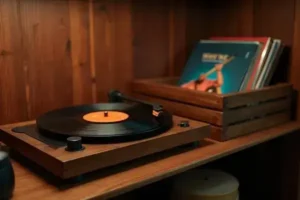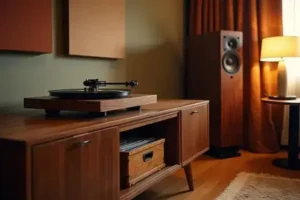
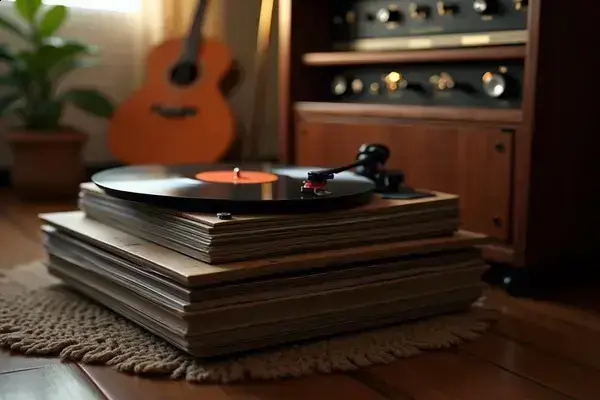
Picture this: the needle drops, a gentle crackle fills the room, and something shifts—you aren’t just listening, you’re feeling music in a way Spotify can’t touch. It’s no wonder vinyl’s having its biggest comeback since the 1980s, with millions of newcomers searching for that perfect first stack.
But here’s the thing: picking your first vinyl records can feel stressful. There’s so much hype, endless choices, and the fear you’ll end up with glossy covers and dull playlists gathering dust. If you jump in blindly, you might miss out on the albums that actually make records magic—or worse, regret those impulse buys.
By the time you finish, you’ll know exactly which albums belong in your starter stack, plus how the first vinyl records to buy guide can help you sidestep rookie mistakes. Ready to start a collection you’ll actually play (and brag about)? Let’s dive in to what matters most.
Why Vinyl Resonates: The Magic Behind The Format
What makes vinyl sound so different — so much richer and more alive — than the digital tracks you’re used to? It all comes down to how vinyl preserves music’s imperfections and warmth. Unlike digital files that slice music into millions of tiny pieces (bits), vinyl grooves physically carve every nuance and subtlety straight into a record. Those little pops and hisses? That’s the analog magic that invites you in.
Here’s the thing: when you spin a vinyl record, you’re listening to a continuous wave. Your ear picks up not just instruments, but the air around them — something no streaming service has ever truly replicated. According to the Recording Industry Association of America, studies show many listeners prefer vinyl not just for nostalgia, but for this very ‘fullness’ and authenticity.
💡 Pro Tip: Always clean your records with a carbon fiber brush before each play. Dust and static can cloud the genuine analog detail — making even the best records sound flat instead of vibrant.
In practice: imagine a rainy weeknight. You’re home, lights low, and you place The Beatles’ Abbey Road on your turntable. The first notes of “Come Together” fill the room. You notice things you’ve never picked out on your earbuds — a faint foot tap, richer harmonies, that steady sway of the bass line. Vinyl doesn’t just replay the song; it reveals new layers with every listen.
- Analog signal path: Vinyl translates sound waves directly into physical motion, capturing musical dynamics that often get compressed in digital formats.
- Tactile experience: Each album cover is a piece of art; flipping the record, lining up the needle — it’s ritual, not just routine.
- Sonic warmth: Even modern mastering engineers (like those at Abbey Road Studios) use tube gear and analog processes for vinyl releases to enhance depth and emotional punch.
| Format | Listening Experience | Physical Ritual |
|---|---|---|
| Vinyl Record | Warm, full, detailed | Manual — tactile, immersive |
| Digital Stream | Crisp, convenient, sometimes compressed | Instant — no tactile engagement |
| CD | Clean, reliable, less character | Simple — minimal interaction |
The magic of vinyl isn’t just in how you hear it — it’s how you feel the music, inside and out. But there’s one detail most owners completely overlook until it’s too late…
How To Choose Pressings And Editions That Stand Out
How do you know which release to grab when the same album comes in a dozen versions — all labeled as ‘remastered,’ ‘reissue,’ ‘180g,’ or ‘limited edition’? It’s not just music, it’s a collector’s game. Picking the right pressing can mean the difference between stunning sound and flat disappointment.
- Pressing: Refers to the specific physical copy of a record made from a particular set of stampers — earlier pressings, or “first pressings,” are often prized for superior audio fidelity and historic authenticity.
- Edition: Is broader — indicating a special series or release, such as limited edition colored vinyl, anniversary box sets, or audiophile versions. Some editions use different mastering techniques or bonus material to set them apart.
- Remaster vs. Original: Remastered editions might feel punchier or clearer, but sometimes the original mix captures an era’s true vibe. The choice can be personal and depends on your gear, ear, and taste.
Picture this scenario: you’re at your local record shop holding two copies of Fleetwood Mac’s Rumours. One is a thick, modern 180-gram pressing with a glossy gatefold sleeve. The other — an older, thinner original — looks almost fragile. A staffer explains that many audiophiles, including the team at Stereophile Magazine, argue that first pressings made at original manufacturing plants (like Warner Bros. Records in the US) typically offer a warmer analog sound, while newer pressings may boost detail but sometimes sacrifice soul for clinical precision.
💡 Pro Tip: Look for pressing details in the runout groove (the space near the center label). Sites like Discogs can help you decipher those etched codes and learn the exact edition in your hands.
| Type | Pros | Cons |
|---|---|---|
| First Pressing | Often best sound, collectible, historic | Can be pricey, may have wear |
| Reissue | Affordable, often new condition, easier to find | Mix/master sometimes differs from original |
| Remastered | Crisper highs/lows, modern appeal, bonus tracks | Not always true to artist’s intent |
And honestly? Sometimes the best record for you isn’t the rarest — it’s the one your system and your soul respond to. But what actually works might surprise you…
20 Essential Albums Every Starter Collection Needs
What albums should make the very first cut for your vinyl collection? It’s not just about grabbing whatever’s trending — true essentials stand the test of time, sound incredible on wax, and capture moments that shaped music history. A thoughtfully picked starter stack isn’t just valuable to you, it’s an anchor for taste, nostalgia, and endless rediscovery.
- The Beatles – Abbey Road
- Pink Floyd – The Dark Side of the Moon
- Fleetwood Mac – Rumours
- David Bowie – The Rise and Fall of Ziggy Stardust
- Michael Jackson – Thriller
- Prince – Purple Rain
- Led Zeppelin – IV
- Marvin Gaye – What’s Going On
- Carole King – Tapestry
- Nirvana – Nevermind
- Bob Dylan – Highway 61 Revisited
- Stevie Wonder – Songs in the Key of Life
- Joni Mitchell – Blue
- Kendrick Lamar – To Pimp a Butterfly
- Radiohead – OK Computer
- Lauryn Hill – The Miseducation of Lauryn Hill
- Queen – A Night at the Opera
- The Rolling Stones – Exile on Main St.
- Aretha Franklin – I Never Loved a Man the Way I Love You
- Daft Punk – Random Access Memories
Picture this scenario: one rainy afternoon, you pull out Stevie Wonder’s Songs in the Key of Life. As the first chords of “Love’s in Need of Love Today” flood your living room, you realize — this isn’t just music. It’s an era, a memory, and a new discovery all at once. That’s the beauty of a well-chosen collection: it never feels dated or disposable.
💡 Pro Tip: Stagger your first purchases — aim for ten classics that span genres, plus a few newer favorites. According to the Vinyl Me, Please curation team, mixing legendary and modern must-haves helps you avoid box-set fatigue while keeping your collection fresh.
| Decade | Key Album | Why It Matters |
|---|---|---|
| 1970s | Fleetwood Mac – Rumours | Epic harmonies, top-tier studio production |
| 1980s | Michael Jackson – Thriller | Pioneered pop and music video culture |
| 1990s | Nirvana – Nevermind | Brought alternative music to the masses |
| 2000s–2010s | Kendrick Lamar – To Pimp a Butterfly | Pushed boundaries of hip hop and social commentary |
But there’s one detail most new collectors completely overlook until it’s too late…
Caring For Your Records: Simple Habits For Longevity
Ever wondered why one collection sounds crystal clear while another is full of crackles and distortion? It’s rarely luck — those records last because their owners adopt simple, smart habits early. Great care isn’t complicated, but it is absolutely essential for protecting the value of your collection.
- Always handle by the edges or label — never touch the grooves, as even clean fingertips can leave oils that attract dust and degrade sound.
- Use a carbon fiber brush before each play: This quick investment keeps surface dust at bay and ensures static doesn’t build up and attract debris.
- Return records to inner sleeves immediately after use: Vinyl is notorious for picking up lint and airborne particles.
- Store vertically in a cool, dry spot: Warped, sun-faded records are avoidable. Climate-controlled shelves shield your albums from heat and humidity, which the Library of Congress confirms are major enemies of analog media.
- Deep clean your records periodically: Consider a gentle record cleaning solution and microfiber cloth for stubborn grime, or look into a professional-grade record cleaning machine for large collections.
- Required items for basic care: carbon fiber brush, antistatic inner sleeves, record cleaning solution, microfiber cloth, stable shelving unit out of direct sunlight.
⚠️ Important Warning: Never stack records flat — this puts pressure on the grooves and can cause permanent warping or even breakage. Always opt for upright storage, just like a proper library.
In practice: imagine returning home with a rare find — an original pressing of Joni Mitchell’s Blue. You gently dust it, drop the needle, and the clarity stuns you. Six months later, it’s still flawless, while the bargain-bin records you left in a sunny car are ruined. That’s the difference practical habits make — and it’s backed up by recommendations from the Vinyl Alliance and multiple museum preservation departments.
| Habit | Longevity Impact | Frequency |
|---|---|---|
| Edge handling | Prevents groove damage | Every use |
| Brushing | Removes dust/static | Before each play |
| Deep cleaning | Eliminates stubborn grime | Every 6 months |
| Upright storage | Avoids warping | Always |
And this is exactly where most people make the most common mistake…
Building Your Listening Ritual: Transforming Music Into Experience
Ever notice how music sounds different when you actually slow down to savor it? That’s why vinyl isn’t just a format — it’s a ritual, one that turns listening into an experience you look forward to all week. When you create a deliberate listening routine, you’re signaling to your mind (and anyone sharing your space) that you value music, not just as background noise, but as a highlight.
- Choose your moment: Instead of multitasking, pick evenings or weekend afternoons when you can be fully present. A set time adds anticipation, much like movie night or Sunday brunch.
- Curate a setup: Designate a spot with your turntable, a soft chair, and perhaps a small light. The physical act of cleaning a record and dropping the needle becomes its own opening ceremony.
- No screens allowed: Put your phone in another room — Princeton University research confirms you’ll recall and enjoy music more deeply without digital distractions.
Picture this scenario: it’s dusk, and you’ve brewed a favorite tea. The first notes of Marvin Gaye’s “What’s Going On” fill the air. Your only focus? The music, the vibe. You catch nuances in the harmony you swear weren’t there last time. Over time, this routine turns casual listening into a grounding, almost meditative ritual — a mini-retreat that helps you reset after noisy days.
| Ritual Element | Impact | How Often |
|---|---|---|
| Dedicated space | Deepens focus, sets mood | Every session |
| Analog prep (cleaning, setup) | Builds anticipation | Every play |
| Full attention (no screens) | Enhances memory & enjoyment | As often as possible |
💡 Pro Tip: Keep a simple listening journal. Note which albums or tracks move you most, and what you notice in each session. According to Vinyl Alliance, this small step builds taste awareness and makes future sessions even more rewarding.
Once this is in place, the rest of the routine falls into place naturally.
Your Vinyl Journey Starts Here
If you take just one thing from this first vinyl records to buy guide, let it be this: great collections are built on intentional choices and simple habits, not luck or hype. You now know what makes vinyl special, how to spot pressings that matter, which albums never disappoint, and how to make your listening truly personal.
Before reading, picking records probably felt overwhelming — all those options, confusing editions, the fear of making mistakes. Now? You know exactly how to start, what to look for, and how to care for records that last a lifetime. The small changes you make today can turn casual listening into a satisfying ritual.
Which album would you add to your collection first — or did we miss one of your favorites? Drop your thoughts in the comments and help inspire other new collectors!

Miles Aaron Sutton is a vinyl record enthusiast and turntable collector dedicated to helping music lovers set up, maintain, and grow their vinyl collections. With years of hands-on experience building home listening setups and hunting for records, Miles built Vsomi to be the honest, practical vinyl resource he always wished existed when he was starting out.