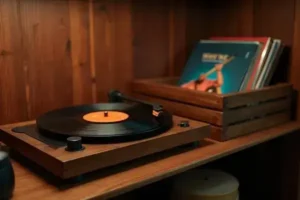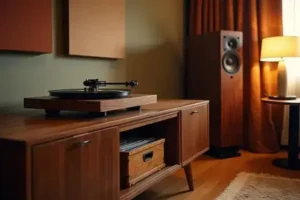

Picture this: you’re in the mood for that perfect album, but it’s hidden somewhere between stacks, leaning records, and maybe a stray Sinatra sleeve. The hunt is all too real—by the time you find the one, the moment’s faded.
I get it, the joy of collecting can quickly become frustration when your vinyl collection grows past a few favorites. Suddenly, records vanish, sleeves get crumpled, and you spend more time searching than listening. That chaos? It doesn’t have to follow you from shelf to shelf.
By the end, you’ll have concrete systems that actually work for organizing your how to organize vinyl collection, flexible enough to grow with you—no matter the size of your stacks. Ready to uncover the method that makes every spin a joy?
Why Organization Matters For Vinyl Lovers
Ever tried locating your favorite LP while running late for guests or, worse, ended up buying a duplicate out of pure frustration? If you love vinyl, you know that a disorganized collection isn’t just messy — it’s a constant source of missed moments and low-key anxiety. True enjoyment comes not just from discovering new albums, but from actually being able to access them without hassle in your daily life.
Why does this matter so much? Because vinyl isn’t just media; it’s tangible nostalgia, investment, and personal history — sometimes all in one sleeve. According to The Recording Academy, well-organized collections preserve album condition, reduce wear, and can even maintain or grow your records’ resale value over time. That’s not something you want to leave to chance.
💡 Pro Tip: Shelving your vinyl vertically (never stacked flat) can extend their playable life by years and prevent warping — advice endorsed by the Vinyl Alliance, the global trade network for record production standards.
In practice: Imagine inviting friends over for a classic album night. You want to play that limited-edition Coltrane pressing, but it’s buried under a pile, slightly bent at the corners, lost behind records you’ve spun twice in ten years. The excitement fizzles into embarrassment, and you silently vow, “Next weekend, I’ll organize this once and for all.”
- Finding favorites fast: An organized system means you’ll stop flipping for minutes and start listening in seconds.
- Protecting your investment: Acid-free sleeves, temperature control, and good shelving fight off dust, warping, and damage, saving you money in the long run.
- Making rediscovery fun again: Albums you forgot about can come back into rotation just because you can actually spot them now.
| Benefit | Impact | Long-Term Value |
|---|---|---|
| Easy Navigation | Less daily stress, more listening | Better music experiences |
| Physical Preservation | Reduced scratches and warping | Higher resale & sentimental value |
| Collection Growth | See gaps at a glance | Smart and joyful additions |
And honestly? Organization is what separates a “pile of records” from a collection you’re proud to show off—or even pass down. But there’s one detail most owners completely overlook until it’s too late…
Popular Systems: Alphabetical, Genre, Or Mood?
How do you actually organize your vinyl so finding an album feels like flipping a mental switch — not rummaging through a puzzle? There’s no one-size-fits-all answer, and the best system depends on your habits, collection size, and the way you think about music itself. Let’s size up the heavy hitters: alphabetically by artist, grouped by genre, or sorted by the vibe you crave.
| System | Pros | Cons |
|---|---|---|
| Alphabetical | Quick look-ups, easy for sharing with others | Doesn’t account for collaborations, feels sterile for some |
| Genre | Natural for varied tastes, helps spot gaps | Tricky with cross-genre bands, genres can blur over time |
| Mood/Era | Organizes by personal use, fun for themed listening | Subjective — harder for others to navigate |
Picture this scenario: You have friends over and everyone’s in the mood for something funky. With genre or mood-based shelves, you’re pulling out Parliament, Prince, and The Meters in seconds. But when an old friend wants to browse by a specific artist, only an alphabetical setup saves you from the awkward “Hang on, let me check the bottom row…” moment.
- Alphabetical (by artist/last name): The classic. Works wonders if you’re detail-oriented, or if you regularly lend records out and want them back exactly where they belong.
- By Genre: Some swear by dividing into rock, jazz, electronic, soul, and so on. It’s a natural fit if your collection spans styles and decades — especially if you like to scan for what suits your mood.
- By Mood/Era: Feeling “late-night lounge” or “upbeat party”? This can turn your shelf into a musical mood board. It’s especially popular among people who curate listening sessions for friends or events.
💡 Pro Tip: The British Library Sound Archive recommends creating a small “frequent spins” section apart from your main system for quick access to high-rotation albums — a trick that keeps things practical and fun.
Still stuck? If you love data, hybrid setups can work: alphabetically within genres, or genres sorted by decade, for extra nuance. What actually works might surprise you…
Step-By-Step: Setting Up Your Shelves And Storage
Ever look at a pile of stacked records and feel instantly overwhelmed? Setting up proper shelves and storage sounds simple, but every true collector knows: it’s a make-or-break move for your whole vinyl experience. So, how do you actually get it right the first time and keep your collection safe long-term?
- Modular record shelving (IKEA KALLAX or custom wood)
- High-quality outer and inner sleeves (polyethylene or rice paper)
- Level, moisture-resistant floor space
- Record cleaning brush and solution
- Optional: anti-static mats, shelf dividers, catalog cards
- Pick the Right Spot: Choose an area away from radiators, direct sunlight, and damp — heat and moisture can destroy covers and warp vinyl over time. Ideally, keep shelves off basement or attic floors.
- Invest in the Right Shelving: Sturdy units like IKEA KALLAX have become a gold standard, but anything that offers 12” depth, weight support, and square compartments will do. Reinforce if your collection exceeds 100 records per row.
- Sort and Clean: Before you file, inspect each record and sleeve for dust or damage. Use a carbon fiber brush and appropriate vinyl cleaning solution for maintenance. The Library of Congress backs the use of anti-static inner sleeves for long-term preservation.
- Store Upright: Always shelve records vertically — never stack. This prevents warping and ring wear and keeps covers in great shape.
- Organize By System: Place records in your chosen order (alphabetical, genre, etc.) using labeled dividers or shelf markers. Consider a small ‘Now Playing’ or ‘Frequent Rotations’ bin close to your setup for convenience.
- Label and Catalog: Add shelf labels, genre cards, or even a digital spreadsheet catalog for quick reference. It helps with insurance, estate planning, or if theft/loss ever occurs.
⚠️ Important Warning: Never store collectable records near windows or heating vents — sudden temperature fluctuations and sunlight are fatal for vinyl longevity. The Audio Engineering Society and the Vinyl Alliance both stress the importance of stable storage conditions.
In practice: You’ve just finished cleaning and alphabetizing your stack, slotted everything neatly onto sturdy shelving, and set a reminder to dust weekly. Seeing your rows of records, straight and supported, isn’t just satisfying — it’s a signal that you care about every note you own.
And this is exactly where most people make the most common mistake…
Maintenance Tips To Keep Your System Running
Ever noticed how a record collection that starts out neat slowly drifts toward chaos if you don’t stay on top of it? Maintaining your vinyl system isn’t just about dusting shelves—it’s about small habits that prevent headaches later on, and there’s a science to doing it right.
- Regular Cleaning: Use a carbon fiber record brush every time you play. Once a month, wipe shelves and outer sleeves with a microfiber cloth to keep dust at bay.
- Re-sleeve Often: Replace aging inner and outer sleeves as needed. Polyethylene or rice paper sleeves help protect from static, and the Vinyl Alliance recommends changing them if yellowing or wrinkles appear.
- Audit Your Organization: Do a quick shelf check every season. Pull misplaced albums, refile anything that’s strayed, and tweak dividers if you’ve added a lot of new titles or switched up your system.
- Climate Matters: Keep temperature between 60–75°F (16–24°C) and humidity under 50%. Invest in a small hygrometer for your music room—fluctuations can cause warping and ruined jackets, as the Library of Congress preservation guidelines confirm.
- Keep an Inventory: Use a spreadsheet or an app like Discogs to track what you own. Updating as you buy and sell takes minutes but saves endless confusion and prevents accidental duplicates.
💡 Pro Tip: Set up a “quarantine zone” for new or thrifted records—clean and inspect them before adding to your shelves. It keeps your whole collection safer from mold or pests.
In practice: Picture this scenario—after a weekend haul at a record fair, you resist the urge to just “slot them in.” Instead, you clean, sleeve, and update your spreadsheet. The next time you have friends over, finding that Japanese Miles Davis pressing is simple (not an epic search mission).
| Task | Frequency | Why It Matters |
|---|---|---|
| Dust & Reshelf | Weekly | Reduces static & keeps system usable |
| Audit Sort Order | Quarterly | Prevents misplaced or missing albums |
| Inspect Sleeves & Inner Liners | Annually | Avoids unwanted residue and warping |
What actually works might surprise you…
Checklists And Tools For Stress-Free Cataloging
How do you guarantee you never buy the same record twice or forget which version you own? The answer: a solid cataloging system, built on smart tools and the right checklists. Here’s how to streamline tracking, from analog notebooks to slick digital apps.
- Printed inventory sheets: Ideal for tactile tracking and quick shelf audits. List each album by artist, title, label, year, and condition. Keep your sheets in a binder next to your shelves.
- Spreadsheet (Excel or Google Sheets): The go-to digital approach. Columns for catalog number, pressing info, notes (“needs cleaning,” “gift from Dad”), plus filters for instant sorting.
- Discogs (by Zink Media, Inc.): The gold standard digital archive for collectors worldwide. Free on iOS, Android, and web, with barcode scanning, price tracking, and instant market data for every pressing. They even supply insurance-ready export options if you ever need proof of ownership.
💡 Pro Tip: Always add a column (or create a field) for condition and cleaning status in your catalog—this prevents playing damaged records and reminds you what needs TLC. Discogs’s user guidelines recommend updating after every new purchase or trade.
| Tool | Best For | Key Feature |
|---|---|---|
| Inventory Sheet | Small/medium shelf collections | Easy to update by hand |
| Spreadsheet | Large & evolving collections | Custom filters and data export |
| Discogs App | Collectors & value tracking | Barcode scan & price alerts |
In practice: You snag a rare pressing at a thrift store. A quick scan with Discogs confirms you don’t already own it—and the value. Back home, you update your spreadsheet and jot down sleeve notes on your printed sheet. No missed gems or forgotten treasures.
The right habits in place now make everything easier from here.
Your Records, Finally in Order
If you take just one thing from this guide, let it be: a little structure goes a long way for your how to organize vinyl collection. Setting up the right system, caring for your records, and using checklists or digital tools makes every spin smoother, every search easier, and every album last longer.
Maybe before, your albums felt scattered and the whole collection took effort to enjoy. Now you’ve got clear steps, expert-backed habits, and tools real collectors trust. You’re set up for less mess and more music. The stacks aren’t overwhelming anymore—they’re yours to love and explore.
What organization trick are you most excited to try with your vinyl collection? Share your ideas or questions in the comments below!

Miles Aaron Sutton is a vinyl record enthusiast and turntable collector dedicated to helping music lovers set up, maintain, and grow their vinyl collections. With years of hands-on experience building home listening setups and hunting for records, Miles built Vsomi to be the honest, practical vinyl resource he always wished existed when he was starting out.