
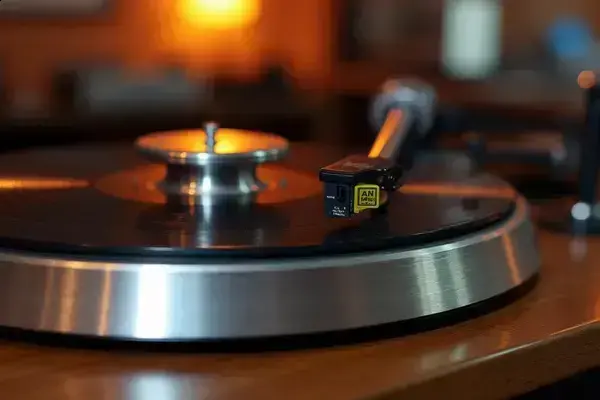
You cue your favorite record, lower the needle… but something doesn’t sound quite right. The debate over belt drive versus direct drive is far from just technical—it’s woven into that moment of pure listening joy or subtle frustration.
Maybe your current setup feels lifeless, or every spin comes with background rumble you can’t ignore. It’s honestly overwhelming—so many opinions online, conflicting advice in forums, and the nagging worry you’ll spend money only to regret it later.
By the end of this guide, you’ll know exactly how a turntable belt vs direct drive guide can save you from buyer’s remorse, reveal how these systems affect your experience, and help you land on the setup that gives you real goosebumps. Ready for clarity? The real difference starts now.
How Belt Drive And Direct Drive Turntables Really Work
Ever wondered what actually makes your turntable spin — and why that matters for your music? Understanding the drive mechanism is not just for gearheads. It’s the foundation of the entire turntable experience.
Here’s the thing: a turntable relies on a motor to rotate the platter, but how that power gets there dramatically shapes its sound, feel, and even how long your records last. Let’s break down the nuts and bolts so you’re never in the dark at the audio shop.
Belt Drive: Smooth Isolation, Classic Approach
Belt drive turntables use an elastic belt (usually made of rubber or silicone) to connect the motor to the platter. This design physically isolates the motor’s vibrations from the platter, reducing the risk of noise creeping into your speakers.
- Quieter operation thanks to vibration isolation
- Start-up time is slightly longer since the belt needs to grip and turn the platter
- Over time, belts may stretch or wear out, requiring replacement
Picture this scenario: you’re at a friend’s apartment, and their vintage belt drive turntable kicks in gently—there’s a moment of anticipation before the music floats in. That’s the smooth, isolated startup audiophiles love.
💡 Pro Tip: Always check your belt for signs of aging or cracks every six months. According to the Audio Engineering Society (AES), worn belts are the #1 culprit for drifting speed and pitch—even on high-end gear.
Direct Drive: Power and Precision
Direct drive turntables ditch the belt and mount the platter directly on the motor. This means almost instant start-up and consistent rotational speed—a DJ’s dream and a studio’s best friend.
- Faster start and stop, ideal for mixing or sampling
- Motor is more robust, rarely needs replacement
- Sometimes, minimal vibration can be transferred directly to the platter (minor in modern designs)
In practice: consider a Technics SL-1200 MK7 set up at a radio station. A DJ cues up a track, and it hits full speed in a split second—no lag, no fuss. That’s direct drive muscle in action.
| Drive Type | Key Benefit | Common Downside |
|---|---|---|
| Belt Drive | Less vibration = smoother sound | Needs belt replacement over time |
| Direct Drive | Quick start, consistent speed | May transmit more motor noise |
Direct drive systems often use magnets and precision feedback (like quartz lock) to hold steady speed. Trusted labs like the Japan Audio Society regularly put these mechanisms under the microscope to set new industry standards.
But there’s one detail most owners completely overlook until it’s too late…
Sound Quality: What Audiophiles And DJs Actually Notice
Let’s be honest—sound quality isn’t just about specs or brand names. It’s an experience. What audiophiles and DJs hear (and feel) goes far deeper than most online reviews let on. So, what actually sets apart the listening sessions that give you goosebumps from those that don’t?
The debate often starts with wow and flutter, those tiny fluctuations in speed that can blur a piano’s pure note or rob bass lines of punch. Belt drive turntables, thanks to their motor isolation, tend to have lower noise floors—meaning you get silky quiet during the pauses. Direct drives, on the other hand, offer ultra-stable pitch, crucial for beat-matching and scratching in clubs.
- Wow & Flutter: Impacts pitch accuracy and instrument clarity.
- Signal-to-Noise Ratio (SNR): A higher SNR (above 60dB is good) lets you hear subtler details—like the breath on a vocal.
- Rumble & Vibration: Excess vibration smears low-end detail, especially on high-output speakers.
💡 Pro Tip: Set your turntable on a dense, vibration-absorbing surface like a thick butcher block. According to the Vinyl Alliance, this simple tweak can dramatically cut unwanted resonance—especially with belt drives.
Picture this scenario: You cue up Miles Davis on a belt drive Pro-Ject Debut Carbon. The trumpet’s opening note is so vivid, it’s like he’s in the room. Then you jump behind a pair of Technics SL-1200s at a house party, and every beat lands crisp and true—even when you twist the platter back and forth for a scratch. Each drive system highlights a different dimension of music. The differences aren’t always obvious at first, but once your ear tunes in, you’ll notice what you’ve been missing.
| Aspect | Belt Drive | Direct Drive |
|---|---|---|
| Noise Floor | Very Low | Low |
| Pitch Stability | Good | Excellent |
| Bass Response | Warm, natural | Punchy, controlled |
The Japan Audio Society points out that high-end direct drives now rival belt systems for low background noise, blurring old boundaries—yet personal taste and setup still play the biggest role in the outcome.
What actually works might surprise you…
Maintenance, Longevity, And Everyday Hassles Compared
Which is truly less hassle over the long haul—a belt drive or direct drive turntable? The answer sneaks up on most owners. Both have quirks, but the devil’s in the details. Let’s break down the day-to-day maintenance, longevity, and hidden headaches.
If you hate fiddling with your gear, direct drive offers fewer moving parts to worry about. There’s no belt to stretch or snap. You just plug in, dust off, and play—simple. Belt drives need a pinch more TLC. The rubber belt gradually wears out, sometimes needing a swap every 2-4 years, especially in dusty or humid homes.
- Check (monthly): Inspect the platter surface and the stylus for dust or debris.
- Clean (every use): Gently wipe records and the platter mat with an anti-static brush.
- Replace Belt (belt drive, as needed): If the belt feels slack or your speed drifts.
- Lubricate Bearing (annually): Both types benefit from a drop of oil for quiet operation.
- Test RPM (quarterly): Use a strobe or smartphone app to check speed accuracy.
In practice: Say you run a Technics SL-1200 (direct drive) for a radio slot three times a week. Five years in, the platter still kicks over instantly—no drama, just a bit of dusting. On a Rega Planar 1 (belt drive), there’s a gentle squeak one morning and you find the belt’s finally stretched. Five minutes and a $20 replacement later, it’s back to perfection. Small rituals matter.
⚠️ Important Warning: When replacing belts or lubricating bearings, always double-check the manufacturer’s guidelines. According to the International Association of Audio Technicians (IAAT), wrong lubricants or belts can shorten lifespan and void warranties.
| Aspect | Belt Drive | Direct Drive |
|---|---|---|
| Belt Replacement | 2–4 years, easy DIY | N/A |
| Motor Lifespan | 10+ years | 20+ years |
| Common Hassle | Belt dries out or slips | Rare, usually just dust |
And this is exactly where most people make the most common mistake…
Who Should Choose Which? Real-World Use Cases Decoded
Are you stuck between belt drive and direct drive, wondering which one truly fits your lifestyle—not just your wishlist? The choice is more about your habits, space, and what gets you grinning each time you drop the needle.
Here’s the thing: a DJ’s weekend marathon is nothing like a quiet Sunday groove, and what’s perfect for a beginner might frustrate a collector. Instead of guesswork, match your drive type to your real-world listening (and spinning) needs.
- Audiophile Listener: Values nuanced sound, listens for subtle details, often enjoys jazz, classical, or acoustic records. Usually prefers a minimalist setup and quiet operation.
- Bedroom DJ: Mixes at home, wants fast, tactile control for beatmatching and scratching, needs bulletproof reliability.
- Family & Casual Use: Prioritizes ease of use, low maintenance, and durability for frequent starts, stops, and little hands nearby.
💡 Pro Tip: Still unsure? Try auditioning both systems at a local Hi-Fi shop. According to the International Federation of the Phonographic Industry (IFPI), hands-on testing often reveals preferences you didn’t even know you had.
| Profile | Best Fit | Why |
|---|---|---|
| Audiophile Listener | Belt Drive | Smoother, quieter, musical detail |
| DJ/Music Producer | Direct Drive | Fast start, pitch control, durable |
| Casual/Family Use | Either (Leaning Direct Drive) | Easy upkeep, robust build |
In practice: Picture this scenario—You’re a new parent, and your toddler points to every shiny button. A direct drive Audio-Technica AT-LP120 can take abuse and start instantly for family dance parties. Meanwhile, your college buddy, deep in Miles Davis, marvels at the almost meditative calm of his belt drive deck in his reading nook.
And this is exactly where most people make the most common mistake…
Tips For Getting The Best Out Of Your Turntable, Whatever The Type
Getting flawless playback from your turntable isn’t about obsessing over specs—it’s about small steps that add up to a big improvement. So, what separates an average spinning setup from one that makes your record collection truly shine?
- Level It: Use a bubble level to get your turntable perfectly flat. Even slight tilts can make records sound dull or wear unevenly.
- Set Tracking Force: Check your cartridge manufacturer’s recommended range and use a tracking force gauge. Too light? You’ll get skipping. Too heavy? You’ll wear down both record and stylus.
- Keep It Clean: Before every play, sweep both the stylus and record with an anti-static brush. Dust can clog the groove and kill clarity.
- Minimize Vibrations: Place your turntable on a dense, stable surface—like thick wood, acrylic, or a dedicated isolation platform. Avoid hollow furniture.
- Upgrade Cables: Use quality shielded RCA cables to cut hum and interference. Premium interconnects can make a surprising difference for some systems.
- Timing: Expect setup and tuning to take 30–45 minutes at first, then just a few minutes’ check-up each month.
- Required Items: Bubble level, tracking gauge, anti-static brush, isolation mat or platform, good cables.
💡 Pro Tip: Never overlook cartridge alignment. According to the Audio Engineering Society, a well-aligned cartridge protects your vinyl and keeps your system sounding top-notch for years. Many audiophile shops will align it for you if you ask during purchase—it’s worth it.
In practice: Your hand-me-down belt drive sounds muddy at first, but after a deep clean and careful alignment, “Rumors” by Fleetwood Mac lights up with warmth. Or, you notice your bargain direct drive sends a faint hum—turns out, moving it off a wobbly glass shelf fixes everything. Tiny tweaks, huge payoff.
Once this is in place, the rest of the routine falls into place naturally.
Your Next Spin Starts Here
If you take just one thing from this turntable belt vs direct drive guide, let it be this: what matters most is matching your turntable to your musical needs, not chasing trends. You’ve seen how drive type impacts sound, maintenance, and day-to-day enjoyment—now you’re equipped to choose with clarity.
Before, you might’ve felt lost in specs and online debates. Now you know what sets each turntable apart, what daily care actually looks like, and how to get gorgeous sound no matter which system you own. Setup is no longer a guessing game—it’s a path to better listening.
Have you already decided which turntable type fits you best—or is there still one question spinning in your mind? Share your thoughts in the comments below. Let’s help each other enjoy every record, one play at a time!

Miles Aaron Sutton is a vinyl record enthusiast and turntable collector dedicated to helping music lovers set up, maintain, and grow their vinyl collections. With years of hands-on experience building home listening setups and hunting for records, Miles built Vsomi to be the honest, practical vinyl resource he always wished existed when he was starting out.