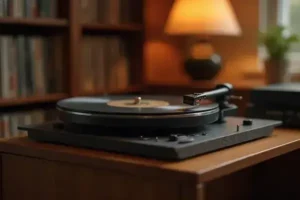
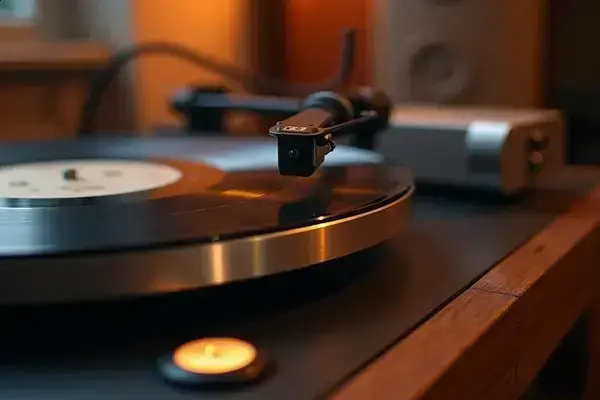
Picture this: you’ve just dusted off an old box of records, excited to finally experience your favorite albums like never before—but when you hook up your turntable, something feels… off. The music sounds thin, weak, almost like it’s missing its soul. Been there? You’re not alone.
Let’s be honest—vinyl’s magic can get lost if you skip one essential piece: the phono preamp. That tiny detail is the difference between lifeless audio and the warmth people chase on records. Missing it can turn excitement into instant disappointment (not to mention, wasted time and money chasing the “problem”).
Here’s the thing: by the end of this guide, you’ll know what a phono preamp guide what is it really means for your setup, exactly why it matters, and how to find one that fits your vibe—and your budget. Ready to unlock that real analog sound? Keep reading—the next section reveals the secret behind this unsung hero.
What Exactly Is A Phono Preamp?
Ever plugged a turntable straight into your receiver and wondered why the sound is barely audible—or worse, distorted and thin? That’s where a phono preamp steps in. In the world of vinyl, this simple box (sometimes built-in, often not) has a single mission: amplify the faint signal coming off your turntable’s cartridge up to something your speakers can actually use. Without it, your favorite records never reach their full dynamic range.
A phono preamp (sometimes called a phono stage) does two big things. First, it boosts the raw, tiny millivolt-level output from a turntable to the “line level” other audio gear expects. Second, it applies something called RIAA equalization—compensating for the way vinyl is recorded, effectively restoring proper bass and treble balance. Without this correction, music sounds harsh or strangely off. According to the Audio Engineering Society, applying this EQ accurately is key to faithful vinyl playback.
💡 Pro Tip: Not all receivers include a built-in phono preamp. If you don’t see a specific ‘phono’ input, you’ll likely need an external model—don’t just guess, or you’ll be left troubleshooting a signal that never improves.
Picture this scenario:
You buy a new turntable, connect it to your modern soundbar, and begin a record. The volume’s maxed out, but your favorite guitar solo sounds miles away. That’s the missing preamp in action—until you drop a preamp between them, and suddenly every note comes alive, with proper warmth and detail.
- Phono Preamp: Amplifies and applies EQ for vinyl’s unique audio curve.
- Line-Level Input: Standard input on most modern audio equipment (requires boosted signal).
| Component | Role |
|---|---|
| Turntable Cartridge | Captures vibrations, creates weak signal |
| Phono Preamp | Boosts and corrects signal (adds RIAA EQ) |
| Amplifier/Receiver | Powers speakers, needs line-level input |
And honestly? Many newcomers confuse ‘amplifiers’ with ‘phono preamps.’ They’re not the same—one starts the signal chain, the other powers the output. The Recording Academy highlights that skipping the preamp equals poor performance, no matter how expensive your speakers are.
But here’s what most first-time vinyl lovers don’t realize—the quality and type of phono preamp can actually shape your sound in subtle but important ways…
Why Your Turntable Needs A Phono Preamp
Ever wonder why your shiny turntable by itself doesn’t blow you away with deep, lush sound? Here’s the thing: even the fanciest record players fall flat without a crucial missing link—the phono preamp. Without it, music signals are too weak and distorted to turn your vinyl collection into anything close to an immersive listening experience.
Phono preamps don’t just make things louder—they completely transform the signal’s quality. Records are recorded with frequencies intentionally shifted (thanks to the RIAA curve) to minimize noise and maximize play time. A phono preamp reverses this shift, restoring the original balance of bass and treble. The result? Music that feels full, punchy, and alive—exactly how the artists intended.
- Authenticity: Preserves the true color and texture of original recordings.
- Protection: Prevents distortion and component damage by matching signal strength.
- Compatibility: Makes turntables work with modern receivers and powered speakers.
- Customization: Lets you tailor sound to your system and taste.
💡 Pro Tip: According to the Audio Engineering Society, using the right phono preamp greatly reduces unwanted hum and noise—especially important with older records or budget turntables.
Picture this scenario:
You treat yourself to a beloved used Beatles record, eager to relive every detail. But after spinning the disc on your living room setup, the vocals sound distant, there’s no punch, and surface noise drowns out half the melody. Then you connect a proper phono preamp—and suddenly the music sparkles, the bass thumps, and every lyric lands like it should. That’s the difference a preamp makes in real life.
| Without Phono Preamp | With Phono Preamp |
|---|---|
| Weak, tinny sound Poor bass, harsh treble |
Rich, balanced audio Bass and treble restored |
| Low volume, thin dynamics | Lively dynamics, warm tone |
| Excess surface noise and hum | Reduced noise, cleaner playback |
But there’s one detail most owners completely overlook until it’s too late…
How A Phono Preamp Transforms Vinyl Sound Quality
What’s the real magic behind vinyl’s famous warmth? For most listeners, the difference between a muddy, lifeless playback and a rich sonic experience comes down to one thing—a good phono preamp. It’s not just about making music louder; it’s about making every groove and nuance truly shine.
First, think about how your records are made. During mastering, deep bass is reduced and high frequencies are boosted to fit music onto grooves. The phono preamp’s job is to reverse this process with RIAA equalization—bringing the sound back to its natural balance. Without this correction, you’ll miss out on the full emotional impact of classic albums, no matter how expensive your speakers are.
- Restores lost frequencies so drums punch and vocals soar
- Reduces surface noise for a cleaner, more immersive experience
- Improves stereo imaging letting you pinpoint instruments across the soundstage
- Protects delicate audio signals from interference and unwanted hum
💡 Pro Tip: The Recording Academy confirms: upgrading your phono preamp is one of the simplest ways to reveal hidden layers, enhance clarity, and get audiophile-level detail even from budget turntables.
In practice: picture this scenario—two friends listen side-by-side to Pink Floyd’s “Dark Side of the Moon.” One has a generic built-in phono stage, the other uses a high-quality standalone model. The second setup delivers deeper bass, more lifelike vocals, and those ethereal effects finally shimmer as intended. It’s not just hype; it’s physics and good design working together.
| Without Phono Preamp | With Quality Phono Preamp |
|---|---|
| Shrill, weak sound Loss of subtle details |
Full-bodied, balanced audio Rich musical textures |
| Noticeable hiss/hum | Lower noise floor Cleaner playback |
| Poor instrument placement | Wide, accurate stereo image |
And this is exactly where most people make the most common mistake—thinking any preamp will do, when the right one can transform your entire listening journey…
Key Features To Look For In A Phono Preamp
So you’re ready to invest in a phono preamp, but what separates a great model from a basic one? The truth is, not all phono stages are created equal. Some elevate your vinyl listening into a true audiophile experience, while others bottleneck your entire system.
| Feature | Why It Matters | Quick Check |
|---|---|---|
| Gain Adjustment | Matches preamp output to your cartridge type (MM or MC) | Does the unit have a gain switch or dial? |
| Input Capacitance/Impedance | Lets you fine-tune for different cartridges and reduce distortion | Are there selectable settings? |
| Subsonic Filter | Blocks rumble from warped records and footfalls | Is this filter offered (even as a toggle)? |
| Build Quality | Prevents unwanted hum, lasts for years | Look for shielded metal casing, robust connectors |
| External Power Supply | Minimizes interference and cleanly boosts signal | Is the power supply linear or switching? |
Still feeling overwhelmed? Here’s a simple checklist to guide your search for the right unit:
- Decide on moving magnet (MM) or moving coil (MC) compatibility—matching your cartridge type is vital.
- Check for adjustable gain and loading settings for future flexibility.
- Listen for noise: A good preamp should be silent when idle.
- Inspect physical build—well-shielded enclosures reduce hum and interference.
- Look for useful extras like adjustable filters or multiple outputs if you intend to upgrade your system later.
⚠️ Important Warning: According to Audio-Technica, using the wrong type of preamp for your cartridge can result in weak signals or excessive noise. Always verify compatibility before buying.
In practice: imagine you’ve set up a mid-range audiophile system, but background hiss creeps in every time the music quiets. Swapping a cheap plastic phono stage for a solid, well-matched preamp not only removed the noise—it brought out deeper bass and a sense of space you didn’t know was missing.
What actually works might surprise you…
Simple Steps To Pick The Best Phono Preamp For You
Feeling lost in a maze of specs, prices, and audio jargon? You’re not alone—choosing the right phono preamp can feel overwhelming, but with a clear process, you’ll land on a model that actually fits your system and reveals the magic of your records.
- Identify Your Cartridge Type: Is it moving magnet (MM) or moving coil (MC)? Your cartridge determines what kind of preamp you need, so check your turntable’s specs.
- Set Your Budget: Decide on a comfortable spending range. Great sound starts around $50 for entry-level, but high-end audiophile models from companies like Schiit Audio or Pro-Ject can run into the hundreds.
- List Must-Have Features: Consider options like gain adjustment, subsonic filter, and external vs. integrated power supply. These directly impact noise, tonal balance, and future flexibility.
- Check Connectivity: Will you connect to a traditional stereo receiver, powered speakers, or a modern audio interface? Ensure inputs and outputs match your setup.
- Listen for Reviews—Literally: See if you can audition models at a local hi-fi shop or compare sound samples online to identify the tonal signature you prefer.
- Turntable with cartridge installed
- Speakers or headphones
- Stereo amplifier or receiver (if not using powered speakers)
- Compatible phono preamp (matching MM/MC type)
- Quality RCA cables
💡 Pro Tip: According to the European Audio Society, a test with both high and low output records helps uncover differences between preamp models—sometimes what looks good on paper just sounds lifeless to you.
In practice: picture this scenario—a music lover tries a $70 model with her vintage Technics, then swaps in a $200 external preamp at a hi-fi store demo and is floored by the extra clarity. Sometimes, a modest investment brings a huge payoff, especially if you pair it smartly with your cartridge and speakers.
And this is exactly where most people make the most common mistake—choosing the priciest option rather than the preamp that simply matches their listening style and equipment. Small, thoughtful steps lead to the best vinyl journeys.
Your Vinyl Setup, Upgraded
If you take just one thing from this phono preamp guide, let it be: the right phono preamp is what turns your records from “just sound” into true music. You know now what a preamp does, why it matters, and what features to look for. With that knowledge, picking the right model feels way less scary.
Were you stuck listening to flat, lifeless vinyl? Now you’ve got the steps, real-world tips, and confidence to unlock richer, warmer sound from your setup. Anybody can do it. All it takes is matching the right preamp to your gear and taste—and suddenly, your favorite albums come alive.
What’s your top question or concern about picking a phono preamp for your turntable? Share your thoughts in the comments—I’d love to hear your story!

Miles Aaron Sutton is a vinyl record enthusiast and turntable collector dedicated to helping music lovers set up, maintain, and grow their vinyl collections. With years of hands-on experience building home listening setups and hunting for records, Miles built Vsomi to be the honest, practical vinyl resource he always wished existed when he was starting out.