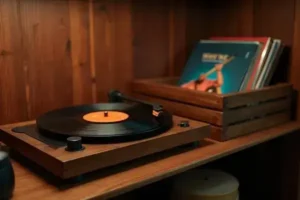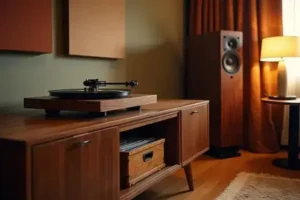
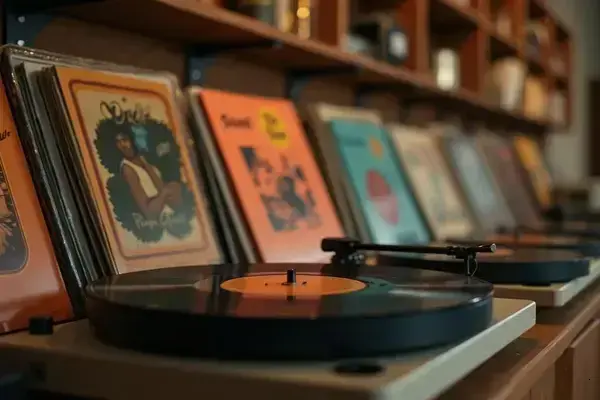
The first time you walk into a record store with the goal of building your vinyl collection, it can feel like stepping into another world—neat rows of albums, mysterious covers, and endless choices. Maybe you remember standing there, paralyzed, unsure whether to grab that jazz reissue or dive headfirst into psychedelic rock. I’ve been there too, and it’s overwhelming.
Here’s the thing: nobody talks about how easy it is to waste money on records you don’t actually like, or how hard it can be to figure out which genres truly speak to you. Without a little guidance, you might end up with a collection that feels more random than personal, and that’s never satisfying.
By the end, you’ll know exactly what makes each genre tick, how to spot great beginner albums, and how to use this vinyl record genres guide beginners style—to build a collection that feels like you. It’s about making your first steps count, so let’s dig into what matters most right from the start.
Understanding The Appeal Of Different Vinyl Genres
Why are some people absolutely hooked on classic soul while others obsess over grunge, jazz, or hip-hop? The truth is: every vinyl genre brings its own world of sound, culture, and nostalgia — but choosing what clicks with you is where the real fun starts. It’s really about more than tempo or melody; it’s about getting swept into a vibe that lives on your turntable and lingers in the air.
Genres aren’t just musical categories; they’re access points into eras, social movements, and identities. A Motown classic might make you feel the pulse of a 1960s dance, while a punk record brings the raw edge of rebellion home. Even a single album can transport you back decades — that transportive power is why vinyl lovers talk about “the warmth” and “presence” of wax. Studies from organizations like the Recording Industry Association of America show that tactile connection is a huge reason why newcomers find vinyl so much more emotionally satisfying than digital playlists.
💡 Pro Tip: When exploring genres, don’t judge an album by its cover art alone. Let your ears make the decision — play a track or two and notice what actually moves you, even if the genre isn’t what you expected.
The Emotional Resonance of Popular Vinyl Genres
| Genre | Signature Appeal | Key Decades |
|---|---|---|
| Jazz | Improvisation, intimacy, and the feeling of a smoky club — every spin reveals subtle new details | 1940s-1970s |
| Rock | Energy, rebellion, driving rhythms that fill a room; perfect for classic and modern listeners alike | 1960s-1990s |
| Soul & R&B | Powerful vocals, rich grooves, and real emotion; timeless for both casual evenings and dance parties | 1950s-1980s |
| Electronic | Pulses, layered synths, and immersive soundscapes; ideal for late-night listening or audiophile setups | 1980s-present |
In practice: imagine dropping the needle on a jazz record for the first time late at night. The room softens, every instrument comes alive — and you suddenly get why vinyl collectors linger for hours in dusty shops sorting through stacks. Genres feel different physically on vinyl than they do streaming. It’s not hype — it’s the format, the history, and your own memories blending together.
- Jazz captures late-night moods and accidental discoveries.
- Rock anthems make ordinary afternoons legendary.
- Soul turns background music into the event itself.
What actually works might surprise you…
How To Identify Essential Records For New Collectors
How do you actually spot a record that’s worth owning as a new collector? It’s not always about picking the oldest album or the fanciest cover — it’s about knowing what makes a record “essential” for you. You’ll want albums that deliver timeless listening and hold value on your shelf, not just hype.
Some albums top the “essentials” list because of historic impact, others for sheer playability, and plenty because they’re universally beloved. The Recording Academy often points to genre-defining classics — like Miles Davis’ “Kind of Blue” or Fleetwood Mac’s “Rumours” — as foundational pieces. But here’s the thing: your essentials might be different.
- Pick records that mark a turning point in music: These landmark albums often show up in Rolling Stone’s lists or National Recording Registry selections.
- Look for enduring appeal: Can you imagine playing this record in ten years? Would you recommend it to a friend?
- Start with albums in consistently excellent condition — unless you’re purposely chasing rare pressings for the collector’s thrill.
💡 Pro Tip: Always check the condition of both the vinyl and the jacket before you buy. According to Discogs, mint or near-mint records retain far more value over time than worn copies.
Step-by-Step: Identifying Essential Records
- Decide on a core genre or artist you genuinely love (not just what’s trendy).
- Research “must-have” lists from sources like the National Recording Registry, Discogs, or music magazines.
- Visit local record shops — you’ll learn from staff picks and see album wear up close.
- Check for iconic pressings: Original editions, special reissues, or well-known audiophile series (e.g., Mobile Fidelity Sound Lab).
- Evaluate sleeves and inserts — original artwork and liner notes add emotional and collector value.
- Test play if possible; some records look perfect but skip or pop on playback.
In practice: Picture this scenario — you find The Beatles’ “Abbey Road” at a neighborhood flea market. The record looks clean, no deep scratches, jacket’s intact. Flipping it over, you notice it’s a 70s pressing, not a rare first, but it’s priced fairly. Even without that “holy grail” factor, it’s a true essential because you’ll actually enjoy spinning it after work or with friends.
| Essential Album | Why It Matters | Collectability |
|---|---|---|
| Kind of Blue (Miles Davis) | Definitive jazz album, deeply influential | High with original pressing |
| Rumours (Fleetwood Mac) | Timeless pop/rock sound, widely loved | Solid, many affordable pressings |
| The Dark Side of the Moon (Pink Floyd) | Iconic sonics, a must-hear on vinyl | High; first/UK pressings coveted |
And this is exactly where most people make the most common mistake…
Decoding Album Covers And Liner Notes Like A Pro
Ever pick up a vinyl record and wonder, “Is there more to this cover than meets the eye?” The answer is a resounding yes—album art and liner notes aren’t just decoration. They’re a coded invitation to the music’s story, and learning to read them puts you leagues ahead as a collector.
💡 Pro Tip: Original pressings often include details in the liner notes and artwork that reissues skip. According to the Smithsonian Institution, these extra touches can help date your copy, confirm authenticity, or even boost resale value down the road.
Album covers are more than pretty pictures. Colors, typography, and imagery all tell you something—era, mood, genre, sometimes even the social movement behind the record. After all, nobody mistakes the pop-art burst of The Beatles’ “Sgt. Pepper’s” for the minimal blue cool of a Miles Davis record.
- Catalog Numbers: Usually found on the back cover or spine, these help you research the release’s origin, label, and rarity online.
- Producer Credits: Knowing who produced or engineered a record can clue you into audio quality or give hints about musical style.
- Sleeve Inserts: Lyric sheets, posters, or photos are sometimes unique to certain editions—making a complete copy especially collectible.
Liner Notes Decoded
In practice: Picture this scenario—a friend hands you Steely Dan’s “Aja.” Before you even play it, you scan the gatefold’s credits: you see recording engineers Roger Nichols and Al Schmitt, both legends. You realize this pressing is likely to sound great, and the original ABC Records logo means it’s a sought-after edition.
| Element | What To Look For | Why It’s Valuable |
|---|---|---|
| Catalog Number | Spine or back cover, label | Confirms release, tracks rarity |
| Producer’s Name | Front or liner notes | Quality, hints at style |
| Insert with Extras | Posters, lyrics, photos | Drives up collectability |
And honestly? This is where most new collectors overlook hidden gems hiding in plain sight…
Classic Genres Every Beginner Should Explore First
You’re staring at a wall of records—where do you actually begin? If you want your collection to have lasting value and endless replay, start with the genres that built the foundation of music on vinyl. These classic styles aren’t just historic; they offer deep catalogs full of affordable reissues, iconic sounds, and endless discovery.
- Jazz: Renowned for improvisation and analog warmth, jazz pressed on vinyl gives you a masterclass in musical conversation. Artists like Miles Davis and John Coltrane make an ideal entry point.
- Rock: From British Invasion classics to 70s arena anthems, rock is arguably the backbone of any collection. The deep grooves on The Rolling Stones or Led Zeppelin records turn every spin into an event.
- Soul & R&B: These genres deliver groove, grit, and feeling—think Aretha Franklin or Marvin Gaye. They’re also at the heart of some of the best-produced, most collectible albums ever made.
- Blues & Folk: If you crave raw emotion, the storytelling on early blues or folk records, like those from Muddy Waters or Bob Dylan, will stick with you.
💡 Pro Tip: The Recording Industry Association of America notes that some of the best-selling records of all time come from these classic genres. These albums are readily available, so you can build a rich starter set without breaking the bank.
Comparison of Essential Starter Genres
| Genre | Why It’s a Must-Own | Great for… |
|---|---|---|
| Jazz | Improvisation, depth, historic pressings | Night listening, mood setting |
| Rock | High energy, rich discography | Group hangouts, nostalgia |
| Soul & R&B | Emotion, danceability, warm production | Evenings, celebrations, all-vinyl parties |
| Blues/Folk | Stories, roots, unique voices | Solo listening, reflection |
In practice: Picture this scenario—you buy your very first jazz album, “Blue Train” by John Coltrane. At home, you put it on and notice every texture, every horn, every gentle tap of the cymbals. Suddenly, you get why seasoned collectors always recommend jazz and classic rock as the best places to start building a collection that lasts.
But there’s one detail most owners completely overlook until it’s too late…
Finding Your Personal Taste And Building A Playlist That Sticks
How do you make sure your vinyl collection truly reflects who you are—not just what’s on the charts or in someone else’s crate? The answer is simpler than you think: build your playlist around your senses, your moods, and the sonic memories that instantly transport you.
Your personal taste isn’t born overnight; it’s a living, evolving mix of past favorites and new discoveries. It’s shaped by late-night listening sessions, those records you spin on repeat, and the ones you save for special moments. According to the International Federation of the Phonographic Industry, collections with a strong personal connection lead to greater overall satisfaction—and less money wasted on records that never leave the sleeve.
💡 Pro Tip: Don’t chase genre purity at first. Instead, let yourself drift between styles. One week it could be Nina Simone and the next, The Clash—over time, patterns emerge revealing your true taste map.
- Start a handwritten or digital playlist of tracks or albums that genuinely move you—don’t overthink it, go on instinct.
- Spin each record in different contexts: early morning, late at night, solo or with friends. Notice which ones you reach for again.
- Add notes about how each track or album makes you feel—vibes, memories, even what you were doing while listening.
- Review your playlist every month. What’s sticking around? Which records are collecting dust?
- Set aside a budget for “wild card” picks—albums outside your comfort zone that spark curiosity. These are often the records that surprise you most.
In practice: Imagine settling in on a rainy Sunday, only to realize it’s the third week in a row you’ve pulled out Bill Withers’ “Still Bill.” You tap a note in your phone: ‘Rainy day comfort album.’ By the end of the year, you’ll have a playlist—and a collection—that isn’t just a snapshot of trends, but your own musical fingerprint.
- Personal playlists deepen what psychologists call “musical autobiographical memory,” strengthening your emotional connection to the music.
- This approach means every new album added to your stack comes with purpose—a little spark of ownership that lasts.
The right habits in place now make everything easier from here.
Your Vinyl Journey Starts Here
You’ve just learned how to spot essential records, decode album art, and focus on the classic genres that give your collection real depth. If you take just one thing from this vinyl record genres guide beginners, let it be: your personal taste is the most valuable part of any collection.
Maybe record shopping felt confusing before—so many options, so much hype. But now you can walk into any shop and know what matters to you. Every spin becomes more intentional. Curating your music isn’t overwhelming anymore—it’s the most rewarding part of the hobby.
Which record or genre are you most excited to add to your collection first? Share your picks or ask your biggest newbie question in the comments below!

Miles Aaron Sutton is a vinyl record enthusiast and turntable collector dedicated to helping music lovers set up, maintain, and grow their vinyl collections. With years of hands-on experience building home listening setups and hunting for records, Miles built Vsomi to be the honest, practical vinyl resource he always wished existed when he was starting out.