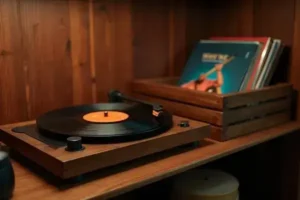
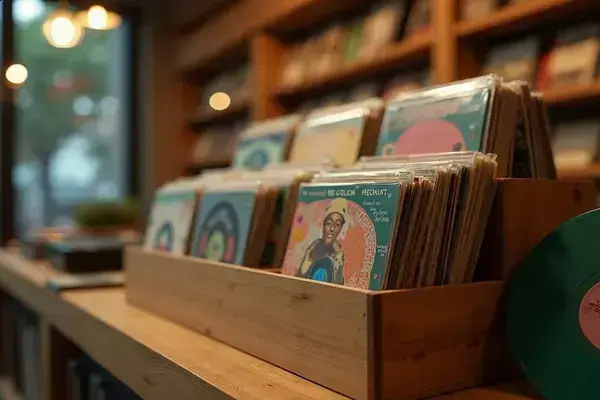
Imagine walking into a record store—rows of colorful album covers, the subtle hum of a needle settling into a groove, and the sense that you might stumble on a forgotten classic. That small thrill? It’s not just nostalgia. For most vinyl lovers, finding the best records can feel like chasing a moving target—one great store trip can change your whole collection.
The frustration comes when you spend your Saturday sifting through dusty bins only to walk away empty-handed or worse, discover that dream album’s a cheap bootleg. Sound familiar? Wasted time, wasted money, and that nagging feeling the real gems are forever just out of reach. Digging for gold shouldn’t mean losing hope.
Let’s fix that. By the end of this guide, you’ll have a best record stores guide how to find approach that actually works—insider tricks, honest reviews, and practical ways to score real vinyl treasures both in-person and online. Ready for your collection to hit a new high note? You won’t want to miss what’s next.
What Makes a Great Record Store Experience
Have you ever walked into a record store, heart set on digging up something special, only to feel completely underwhelmed by what’s inside? It’s not just about the selection — it’s about the entire atmosphere, the way you’re welcomed (or not), and those tiny details that transform a random shop into somewhere you’ll want to return over and over again.
What actually separates a truly great record store from the ones you barely remember? It’s the rare mix of layout, staff expertise, curation, and even what’s spinning on the sound system. Sure, a deep catalog is thrilling, but without knowledgeable staff or a welcoming vibe, it doesn’t matter if you’ve found a rare Coltrane — you’ll leave empty-handed. And honestly? The difference between browsing for hours and walking out in five minutes comes down to less obvious things than you might think.
💡 Pro Tip: The best shops, according to the Vinyl Alliance, regularly reorganize sections and feature ‘staff picks’ to spotlight hidden gems. Always check for these — they’re handpicked by true enthusiasts and can introduce you to sought-after rarities you’d otherwise overlook.
| Element | Why It Matters | Look For |
|---|---|---|
| Staff Knowledge | Guides you to new genres and genuine pressings | Enthusiasm, specific recommendations, deep catalog memory |
| Store Layout | Makes discovery intuitive, not frustrating | Clearly labeled bins, genre separation, easy navigation |
| Curation & Cleanliness | Signals quality and respect for vinyl | No sticky sleeves, visible cleaning gear, rare albums featured |
Picture this scenario:
You enter a shop nestled between a café and a used bookstore. Jazz pours softly from overhead speakers. Bins are clearly marked: New Arrivals, Local Pressings, Audiophile Editions. The owner is cataloging a 1978 first pressing — they look up to greet you, instantly recommending a soul reissue based on what you’re flipping through. Suddenly, crate-digging is less about luck and more about real discovery. That’s a shop you remember.
- Pay attention to background music. It sets the mood and hints at what the staff loves most.
- Do bins feel overstuffed and chaotic, or invitingly organized?
- Are there written notes or stories on display for featured records?
But there’s one detail most owners completely overlook until it’s too late…
How to Spot Authentic Vinyl Records and Avoid Fakes
Ever flipped through a dusty record bin, spotted a holy grail album, and suddenly that little voice in your head whispers—could this be fake? Vinyl collecting has exploded in the last decade, and with it, a rise in clever reproductions, bootlegs, and straight-up counterfeits. It’s a real issue, especially for high-value pressings from the 60s and 70s. Knowing what to look for saves you money, disappointment, and potential embarrassment at your next record nerd meetup.
Here’s the thing: fakes aren’t always obvious. The vinyl might look clean, sleeves feel brand-new, and yet subtle differences—like missing matrix numbers or the wrong label font—make all the difference. What can you do to protect yourself and grow your collection with real, lasting value?
- Learn the Matrix Numbers: Check for engraved matrix numbers in the runout (the smooth edge near the label). Original pressings always feature unique, hand-etched or stamped codes. If they’re missing or look laser-printed, be skeptical.
- Inspect the Label Details: Originals often use thicker, textured labels—bootlegs are usually glossy, thin, or incorrectly colored. Consult the Discogs Vinyl Record Guide for specific label variations by year.
- Feel the Sleeve Quality: Authentic sleeves have weight, sturdy seams, and correct fonts. Watch for overly bright images or incorrect catalog numbers.
- Compare Pressing Info: Use resources like Goldmine’s Record Album Price Guide to verify year, country, and pressing variations. Counterfeits often mix details from different versions.
- Smell and Listen: Sounds odd, but true collectors know the slightly musty scent and tactile feel of aged cardboard and vinyl. If it smells or feels brand-new (when it’s supposed to be 40 years old), hit pause.
- Pocket flashlight
- Magnifying glass
- Known authentic reference records
- Access to price guides and online discography databases
⚠️ Important Warning: The Recording Industry Association of America (RIAA) cautions buyers: unauthorized sellers—and especially online auction sites—remain hotspots for modern counterfeits. Buy from reputable stores or get a guarantee in writing for expensive records.
In practice: a friend of mine, Joe, once scored what looked like a first-pressing Beatles ‘White Album’ for less than $50 at a flea market. Only when comparing the matrix and sleeve font to a verified original did he realize—down to the oddly thin sleeve and faint, blurred type—he’d bought a near-perfect bootleg. Lesson learned: take your time, reference official guides, and don’t let excitement overshadow due diligence.
What actually works might surprise you…
Essential Tips for Navigating Local Record Shops
Navigating a local record shop isn’t just about walking in and flipping through bins — it’s a craft, and with the right know-how, you’ll leave with more than just good finds. Ever wondered why some collectors always seem to stumble on treasures, while others leave frustrated or empty-handed?
💡 Pro Tip: Arrive early, especially on shipment days or after weekend buyback events. According to the Vinyl Me, Please community, that’s when the most exciting new arrivals appear in-store, often before they’re cataloged online.
- Scout the Layout: Quietly map out sections — is there a New Arrivals bin? Staff picks? Specialty genres? Knowing this saves time and guides your search.
- Use Your Eyes and Fingers: Flip carefully. Overstuffed bins can conceal gems deep in the back or pressed tight along the edges.
- Ask the Staff: Don’t be shy. Often, real gems and obscure albums sit behind the counter or in the back room, only shown to serious or curious customers.
- Check for Store Events: Live DJ sets, listening parties, and pop-ups often mean special stock or exclusive releases. Stay alert — in-store event boards are gold mines for rare drops.
- Negotiate (Respectfully): Many shops are open to bundle deals or slight discounts, especially if you’re picking up multiple LPs. Don’t be afraid to ask — just stay genuine.
In practice: Imagine rolling into your favorite neighborhood shop right after opening. The bins are fresh, nobody’s hovering, and a handwritten sign next to the register announces 20% off jazz reissues. You joke with the clerk about the morning playlist. Suddenly, they slide a sought-after rare pressing from beneath the counter just because you asked the right question at the right time. That’s the power of community — and strategy.
| Insider Tip | Why It Works | When To Try |
|---|---|---|
| Follow shop on social media | Hear about restocks & special events first | Before and after weekly delivery days |
| Sign up for in-store loyalty | Get early notice of sales | When offered during checkout |
| Bring a want list | Staff will watch for your grails and may even call you | Every visit |
And this is exactly where most people make the most common mistake…
Finding Limited Editions and Rare Pressings Online
Searching for limited editions and rare pressings online can be a real thrill — or a massive headache. Ever added a “holy grail” to your digital cart, only to second guess if it’s authentic, misgraded, or even available at a fair price? That’s the modern record hunter’s dilemma.
- Research seller ratings and reviews on trusted platforms — Discogs, eBay, and MusicStack all have community-driven grading and buyer protection policies.
- Double-check catalog numbers and photos. If the listing only uses stock images, ask for real pictures, especially of runout grooves and labels.
- Monitor online auctions and set up alerts for your wish list. Tools like Popsike let you track historical auction prices to avoid overpaying for rare records.
- Ask about return policies for high-value purchases. Most reputable sellers — especially those affiliated with the Vinyl Alliance — will back their listings with a satisfaction guarantee.
- Use safe payment methods that allow dispute resolution, such as PayPal Goods & Services, to protect your investment from scams.
💡 Pro Tip: According to Goldmine Magazine, don’t sleep on digital marketplaces run by brick-and-mortar stores — many save rare finds for loyal online customers and new arrivals often get posted there first.
Picture this scenario:
You’ve waited months for a Japanese first pressing of Pink Floyd’s “The Wall” to show up online. Finally, it appears on Discogs. The seller has a 100% feedback score. You message to confirm the matrix number and request extra photos of the obi strip. Everything checks out, and two weeks later, you’re spinning a flawless rare edition on your home system — and it’s every bit as magical as you hoped.
| Platform | Strength | Best For |
|---|---|---|
| Discogs | Community grading, detailed catalog data | Detailed searches and global rare finds |
| eBay | Auction options, buyer protection | Scoring deals and bidding on elusive LPs |
| MusicStack | Aggregates indie store inventory | Finding out-of-print records and regional pressings |
And this is exactly where most people make the most common mistake…
Building Lasting Relationships With Stores and Sellers
Wouldn’t it be great if local record store staff remembered your name — or even saved must-have vinyl under the counter just for you? Here’s the thing: the rarest records and best trade-ins rarely go to strangers. They go to regulars who’ve built real trust with shops and sellers, both in-person and online.
- Be Respectful and Curious: From your first visit, treat staff like partners. Ask about their favorite genres and recommendations, not just what you want. It opens doors.
- Share Your Wants and Finds: Mention records you’re hunting. Many sellers keep informal “wish lists” and will give you a heads-up when something fitting arrives.
- Buy Consistently, Even Small Purchases: Repeat business — whether a $4 single or a rare box set — makes you memorable. Consistency shows you’re invested in the shop, not just bargain hunting.
- Offer Honest Feedback: If you like a shop’s curation or discover issues (like misgraded records), speak up politely. Genuine feedback helps owners improve and builds rapport.
- Engage in Community Events: Attend listening parties, release days, or pop-up swaps. Connection deepens when you’re involved outside straightforward transactions.
💡 Pro Tip: According to the National Association of Recording Merchandisers, stores often reward supportive regulars with early access to exclusive releases and private sale previews — perks you’d never even know existed if you didn’t build those ties.
Picture this scenario:
You’ve just moved to a new city and step into a neighborhood record store. The owner shares a joke about the weather and asks what brings you in. Two weeks later, at a listening event, they remember your favorite artist and quietly mention a new arrival you’d missed. By the end of the month, you’re not only on their short list for special orders, but your recommendations are going up as handwritten staff picks. That’s community in action.
| Relationship-Building Action | Why It Works | Extra Perks |
|---|---|---|
| Offer to volunteer for in-store events | Shows commitment and appreciation | Free merch, event access |
| Trade duplicate records fairly | Builds mutual trust and inventory quality | Better trade value |
| Socially share store finds | Promotes the shop and makes you memorable | Shout-outs, surprise discounts |
Once this is in place, the rest of the routine falls into place naturally.
Your Vinyl Hunt Just Got Smarter
There’s a huge world out there for vinyl lovers, and you’re not alone in wanting to find the real gems. We covered what makes a record shop truly special, how to spot authentic records, and ways to build lasting buyer-seller relationships. If you take just one thing from this best record stores guide how to find, let it be: knowledge and community are your best tools for uncovering vinyl treasures, both in stores and online.
Maybe before today, crate-digging felt overwhelming, and searching for rare pressings online seemed risky or confusing. But now? You know what details matter, where to look, and how to build connections that open new doors. It’s a game-changer. With a little care, your collection and confidence will grow together. You’re ready for that next great find.
What’s your proudest record store discovery, or is there a dream album still on your wish list? Share your story in the comments — we’d love to hear where your vinyl journey leads next!

Miles Aaron Sutton is a vinyl record enthusiast and turntable collector dedicated to helping music lovers set up, maintain, and grow their vinyl collections. With years of hands-on experience building home listening setups and hunting for records, Miles built Vsomi to be the honest, practical vinyl resource he always wished existed when he was starting out.